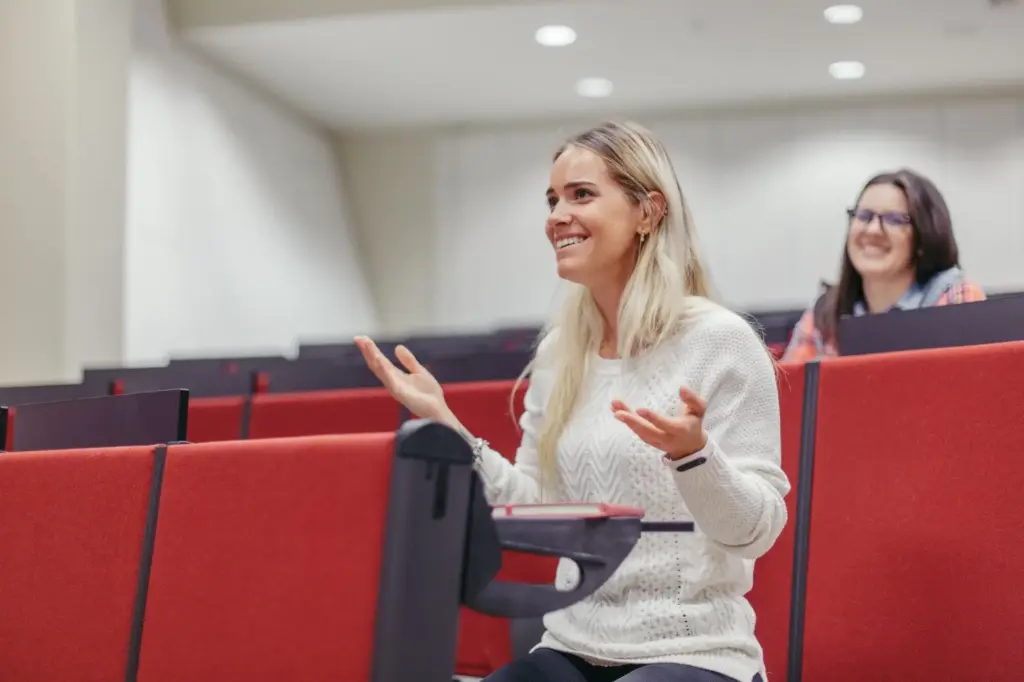
Small Steps, Strong Voices

Let’s explore classroom micro-activities that build student speaking confidence through tiny, repeatable wins. You’ll find warm-ups, playful constraints, and reflection routines designed for any subject and time frame. These bite-sized experiences gently reduce anxiety, increase participation, and help every voice grow braver day by day. Use them as quick openers, efficient transitions, or energizing closers, and watch hesitant learners experiment, reflect, and shine. Share your favorite quick practices in the comments so our community can grow together.

Start Fast: Warm-Ups That Lower the Stakes

Opening minutes shape the room’s social weather. Quick, low-stakes prompts invite learners to try a tiny risk without fear of judgment. These warm-ups require almost no prep, honor different comfort levels, and establish a playful rhythm where small attempts are celebrated. With consistent use, students experience frequent, successful speaking turns, normalizing imperfection and progress. Start class with momentum, curiosity, and compassionate expectations so every voice feels welcome to begin.

One-Breath Introductions

Invite students to share one idea in a single breath: a weekend highlight, a surprising fact, or a goal for today. The playful constraint feels achievable, speeds participation, and limits overthinking. Rotate starters, model generously, and celebrate variety. This tiny ritual warms vocal cords, builds quick presence, and shows that even very short contributions matter. Ask volunteers to reflect afterward on a sticky note: what felt easy, what felt brave, and one peer they appreciate.

Whisper-to-Voice Ladder

Begin with pairs whispering responses, then gradually raise volume to table groups, and finally to whole-class popcorn shares. The progressive ladder mimics exposure techniques, softening anxiety through safe increments. Offer sentence stems and visible timing so nobody wonders when to speak. Encourage active listening gestures, like nods and hand-over-heart appreciation. Students feel supported while practicing breath, pacing, and clarity. Over time, the ladder becomes a reliable bridge from silence into confident sound.

Name-and-Praise Chain

Form a rapid circle where each student says the previous speaker’s name, offers a specific praise, and adds a new thought or question. This chain builds belonging, memory, and spontaneous phrasing in seconds. Emphasize concrete compliments about clarity, originality, or evidence. The rhythm encourages presence without long monologues. When learners experience positive peer attention early, they approach later speaking tasks with more optimism. Close by inviting three appreciations for the entire group’s collective energy.

Peer Structures That Feel Safe

Speaking confidence blossoms when learners trust their partners. Carefully designed peer routines balance support with stretch, giving enough structure to reduce uncertainty while leaving room for authentic voice. These approaches spotlight listening as a co-equal skill, ensuring students feel heard before being asked to elaborate. With predictable cues and visible timing, pairs and trios become quiet laboratories where ideas grow. Rotate roles to distribute airtime, and debrief patterns that helped everyone participate more fully.

Playful Constraints, Powerful Outcomes

Five-Word Stories

Challenge students to explain a concept, summarize a reading, or pitch a solution using only five words. Then allow a ten-second elaboration. The tight limit stimulates vocabulary precision and sparks memorable phrasing. Celebrate inventive combinations and unexpected humor. Cycle through several rounds to build agility. Encourage listeners to capture favorites on sticky notes for a shared board. This ritual turns brevity into a playful workout, making concise speaking feel achievable, expressive, and genuinely fun.

Emoji Emotions Retell

Show three emojis that capture tones or perspectives related to today’s content. Students retell a key idea in twenty seconds, matching delivery to each emoji’s feeling. This playful framing spotlights pacing, emphasis, and vocal color. Rotate emojis to explore nuance, including calm expertise, excited discovery, or thoughtful doubt. Learners practice switching registers without fear of being wrong. Close with a reflection: which tone clarified meaning most, and how did emotional choices shape listener understanding today?

60-Second Object Pitch

Hand each group a random classroom object. In one minute, pitch its secret academic superpower connected to the lesson. The absurd premise relaxes tension and invites bold verbal risks. Require a hook, claim, and evidence sentence. Listeners award ribbons for clarity, creativity, and teamwork. Debrief how structure supported delivery despite silliness. Students realize frameworks travel to serious tasks, too, and confidence grows as they transfer that scaffolding into increasingly authentic, content-rich speaking moments.

From Silence to Spotlight: Gradual Exposure

Confidence grows when students progress through predictable stages: private rehearsal, small-group tryouts, and brief whole-class sharing. These sequences honor individual pacing while guaranteeing actual speaking practice. Visual progress trackers and micro-goals keep attention on growth, not comparison. Activities below blend whisper work, echoing, and spotlight sprints so learners never leap farther than they are ready. Over days, the distance traveled becomes obvious, and even quiet students recognize their expanding comfort zones and clearer, steadier voices.

Shadow Speaking

Students silently mouth along as you model a concise explanation, then whisper it, then speak it with a partner, and finally deliver their adapted version aloud. Each step reduces cognitive load while increasing ownership. Choose short, high-utility sentences for initial modeling. Offer a gesture cue for breath resets and pacing. This controlled build creates a safety net for pronunciation, timing, and eye contact. Track progress with checkboxes so learners see momentum and celebrate each successful rung climbed.

Echo Circles

Arrange students in two facing circles. The inner circle shares a twenty-second idea; the outer circle echoes key words, then paraphrases. Swap roles and rotate partners every minute. Echoing reveals what was heard, strengthening clarity and audience awareness. Encourage mutual thumbs-up when paraphrases feel accurate. The movement keeps energy high and nerves low. Close by asking students to jot two words they intentionally emphasized and why, building metacognition about voice choices that improved listener understanding.

Exit Ticket Voice Notes

Instead of a written exit slip, invite students to record a thirty-second audio reflection: one insight, one confusion, and one micro-goal for tomorrow’s speaking. Voice notes reduce writing pressure and capture authentic tone. Offer a quiet corner or headphone mics for comfort. Provide optional sentence stems for accessibility. Reviewing these clips informs your planning and celebrates progress. Students hear their own growth over weeks, building pride and readiness to take slightly larger speaking risks next time.

Content-Rich, Time-Light Routines

Micro-activities can carry serious academic weight without monopolizing minutes. The routines below anchor responses in evidence, comparison, and reasoning while keeping contributions brief. Use timers, visible criteria, and rotating roles to maintain momentum. Students learn that strong speaking is organized, concise, and grounded in ideas, not length. Intentionally repeat structures across units so cognitive energy fuels thought, not logistics. Frequent, focused practice then compounds into durable confidence and a clear, reliable voice under gentle time pressure.

01

Micro-Debate Cards

Prepare cards with provocative, content-aligned claims and a single piece of evidence. Pairs draw a card, choose sides, and argue for forty seconds each, then switch. This short cycle embeds reasoning, rebuttal, and etiquette. Provide sentence frames—claim, because, evidence, therefore—to support organization. Encourage one respectful counter-question per round. Tally speaking turns to ensure equity. Students discover they can build logical arcs quickly, which eases fear of blank moments when larger, formal discussions eventually arrive.

02

Fact, Feeling, Future

Ask students to respond to a text or problem with three concise lines: one verifiable fact, one personal feeling, and one predicted future implication. Sharing these aloud builds nuance and empathy, blending cognition and emotion. Listeners note interesting pairings that sharpen understanding. The format prevents rambling, encouraging targeted impact. Use it as a warm-up, mid-lesson pulse check, or closer. Over time, learners craft tighter statements, sounding confident because their structure supports both clarity and authenticity.

03

Caption This!

Display a striking image, data visualization, or diagram. Students craft a single powerful sentence that could serve as a caption, then speak it with intention. Require one precise noun, one vivid verb, and one clarifying phrase. Peers snap fingers for compelling lines. Brief coaching on emphasis and pause transforms delivery. This playful rigor teaches economy and presence simultaneously. Collect standout captions to revisit later, showing growth in both expression and confidence across diverse content contexts.

Measure, Reflect, Celebrate

Confidence accelerates when students can see it. Simple trackers, reflective prompts, and joyful acknowledgments turn invisible courage into visible progress. Avoid heavy grading; aim for descriptive noticing and student-chosen goals. Build routines where learners self-assess, request targeted feedback, and celebrate micro-wins weekly. When recognition is specific and public, courage becomes contagious. Invite families or guardians to hear quick showcases. Over time, data, stories, and recordings document the journey from tentative whispers to purposeful, resilient voices.

Confidence Thermometer

Post a scale from one to five with friendly labels, like curious, warming up, steady, strong, shining. Students self-rate before and after a speaking micro-activity, then jot one factor that shifted their number. The visible pattern normalizes fluctuations and emphasizes strategies over self-judgment. Invite volunteers to share what moved them upward. You’ll learn which routines soothe nerves and which stretch successfully. Adjust pacing, prompts, and groupings accordingly, demonstrating that student voices directly shape classroom speaking experiences.

Micro-Journal Prompts

Keep a tiny reflection log: I tried, I noticed, next time I will. Students write or voice brief entries after quick speaking tasks, focusing on choices and effects. Periodically, ask them to highlight favorite entries and explain why. These micro-reflections reveal emerging strengths and coachable patterns without grading pressure. Invite peer partners to exchange encouraging notes linked to specific behaviors. Over weeks, journals become proof of growth, helping learners arrive ready to attempt another slightly bolder, clearer contribution.

Class Podcast Minutes

Once a week, record a rotating trio summarizing big ideas and memorable student lines in two minutes. Keep it informal and celebratory. Publish clips on a protected platform or classroom hub. Hearing peers assemble highlights validates concise speaking and attentive listening. Roles rotate—host, summarizer, appreciator—so everyone practices varied speaking moves. Invite comments with shout-outs to specific moments of clarity. Over months, this living archive showcases rising confidence, richer phrasing, and the joyful music of many growing voices.